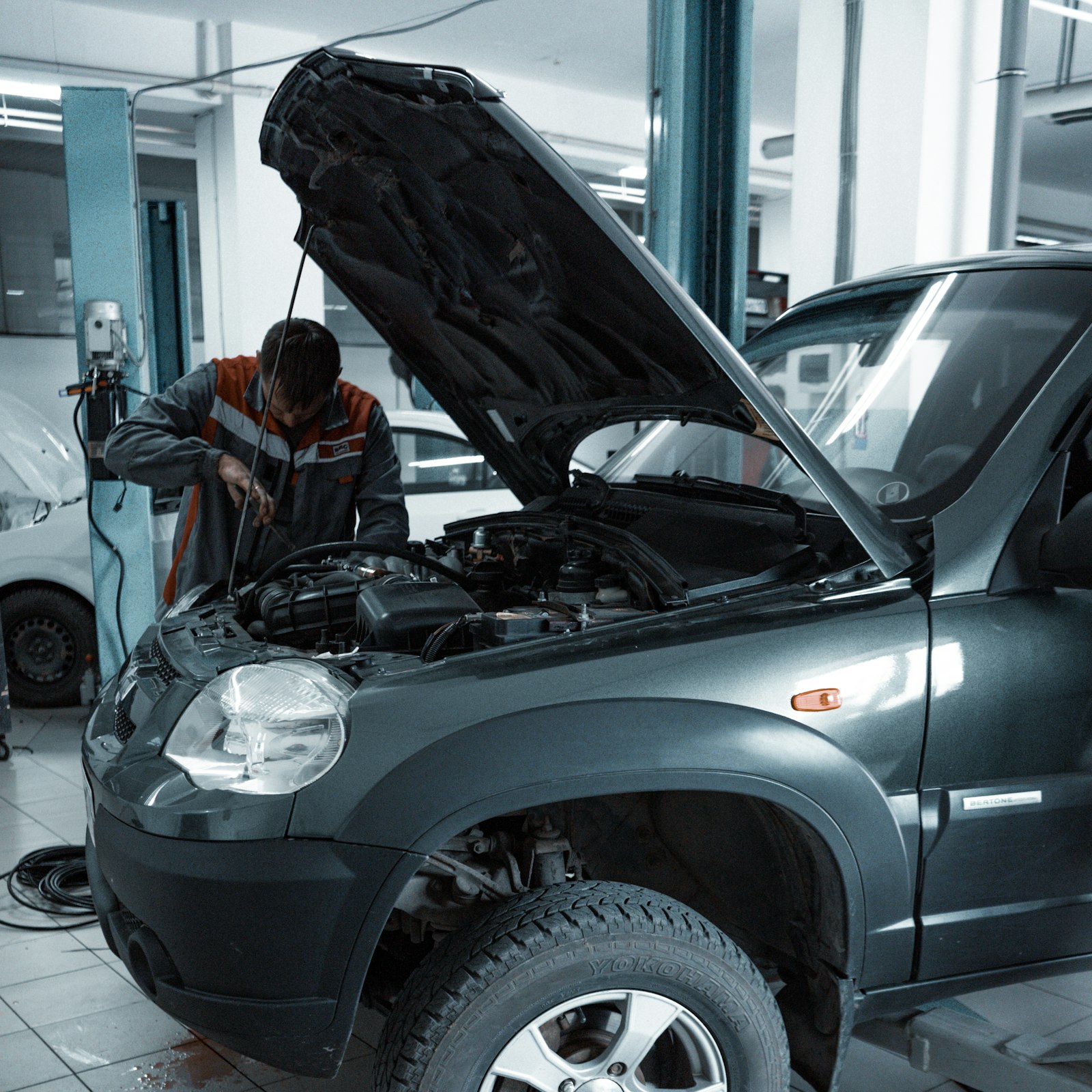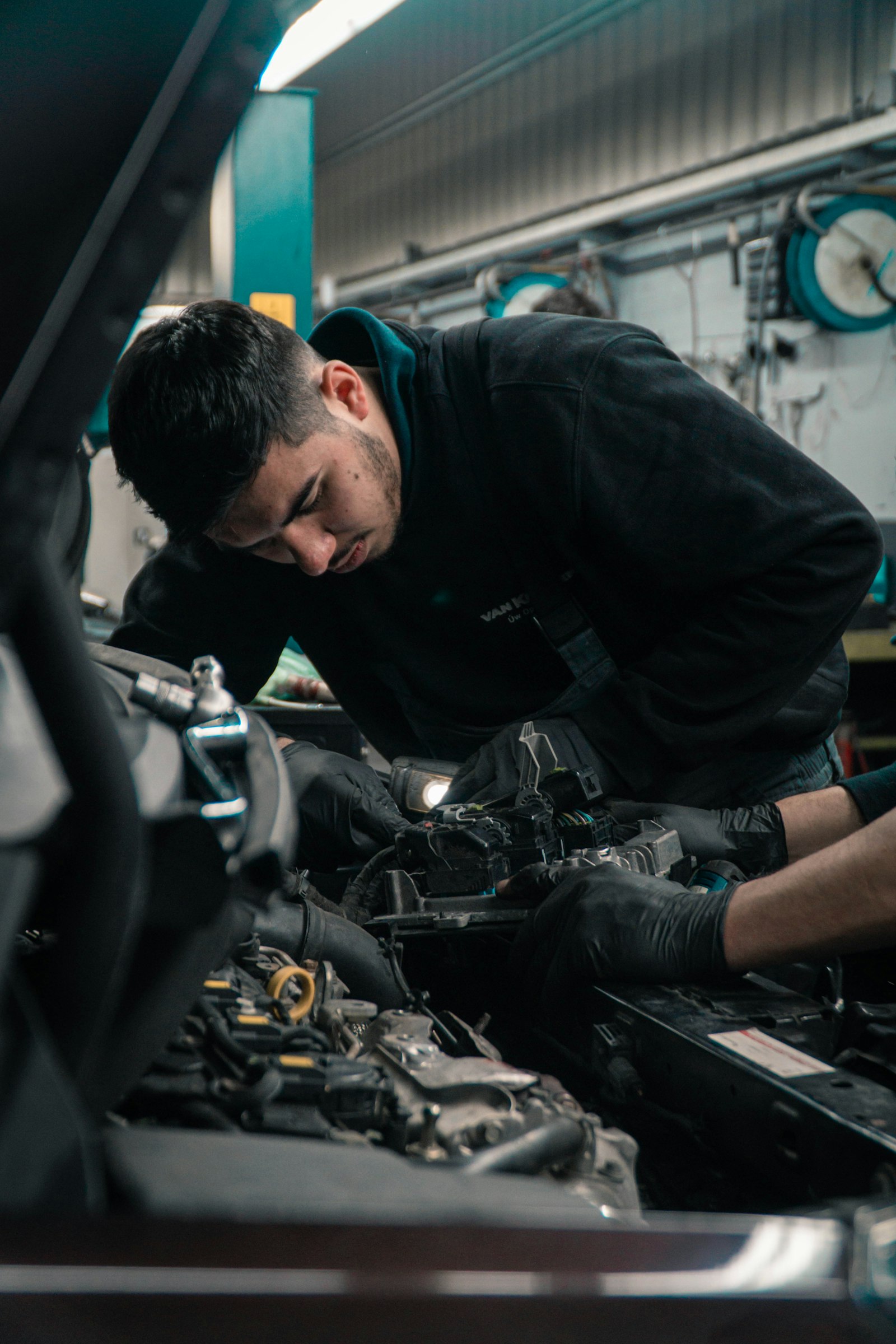
Engine & Drivetrain
Engines, transmissions, turbochargers, starters, alternators, mounts, and sensors.
ExploreYour trusted source for premium new auto parts and accessories — with quality used options when they fit your need. Expert service, fast nationwide support, and personalized assistance for every order.
Explore common replacement categories for domestic, import, light truck, SUV, and performance vehicles.
Find premium new auto parts with clear categories, trusted support, VIN lookup guidance, and nationwide shipping help.
Use year, make, model, VIN, part number, and symptoms to help identify the correct component.
Get help with compatibility, condition, part options, and the details that matter before ordering.
Shipping options are reviewed based on warehouse location, part size, and destination.

Auto parts buyers are often worried about wrong fitment, delays, and returns. Rock Automotive helps confirm the important details before an order moves forward.
Browse by part type, vehicle system, or the component you need replaced.
Share your name, mobile number, vehicle details, and the part you need.
Compatibility, condition, availability, and shipping details are reviewed.
A representative helps complete the request once the part match is confirmed.
"The rep asked for the VIN and found the correct mirror before I ordered. That saved me from guessing."
Verified caller, NM"I needed a radiator fast and the phone team explained the options without making me dig through listings."
Shop customer, TX"Clear process, direct call, and no confusing checkout. They matched the part by vehicle details."
Driver, FLCommon questions about Rock Automotive's auto parts support, VIN lookup, shipping, and fitment matching. Need a faster answer? Call +1 (608) 571-7617.
Call +1 (608) 571-7617 or submit the request form with your vehicle year, make, model, part needed, and mobile number. A parts specialist will confirm fitment and availability.
Availability depends on vehicle fitment, VIN, part condition, supplier source, and shipping destination, so Rock Automotive confirms requests with the customer directly.
Yes. Shipping options are confirmed by phone based on the part type, warehouse availability, and delivery location.
Year, make, model, VIN, engine size, and the part number when available. Trim and production date help narrow down fitment for options that changed mid-year.
Yes. Use the Vehicle Lookup page to decode a VIN using the NHTSA VPIC database, or call a specialist who can look up fitment details from the VIN.
Rock Automotive focuses on premium new auto parts from trusted sources. Condition is confirmed before the order is finalized.
Speak with Rock Automotive for fitment, availability, shipping options, and personalized order support on the part you need.